 Arts Access Aotearoa
Mary Schnackenberg rejects any suggestion she’s a “champion of accessibility and audio description”. She simply goes to the theatre, the opera and ballet, and wants to share that love with other blind and low vision people.
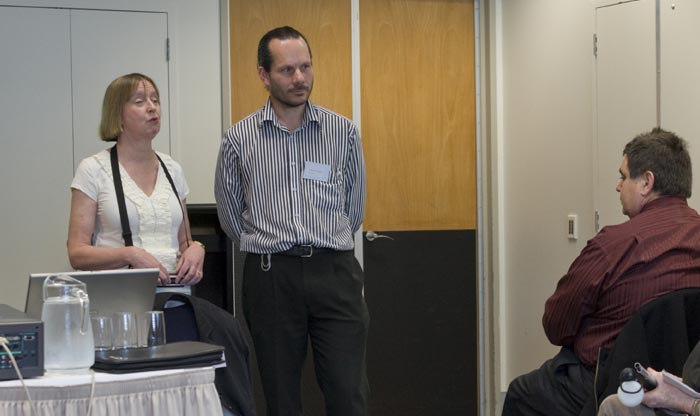 "I just love audio described shows and I learn something new every time I go,” she says. “And because it matters to me, I want everyone to know what’s available.”
That enthusiasm is at the heart of the work she’s done for years to help blind and low-vision people find out about performances they might otherwise miss.
Mary was born blind and has spent much of her life finding ways to take part in the same world as sighted people. She has also spent decades sharing what she has learned – whether through her professional work, her consultancy with her husband Clive Lansink, or her promotion of audio described activities.
And while she thinks the amount of audio description available in 2026 is “amazing”, she denies that she herself is “amazing” for all the work she does spreading the word about audio described arts and cultural events in Aotearoa.
“I don’t think I’m amazing. I’ve had to learn to live in the sighted community and it’s given a lot to me. I’m benefiting from what I’ve been given and it isn’t particularly hard to give back because it's within my space.”
Mary says she's part of a team and applauds the work of Nicola Owen, who co-founded Audio Described Aotearoa in 2014.
"Generosity, tenacity and sense of humour, sharing her love of live performance"
Nicola, on the other hand, talks about Mary's "generosity, tenacity and sense of humour, sharing her love of live performance with other blind and low vision people across the country.
"Mary's work has helped transform the landscape of accessible arts and she is particularly keen to reach a new generation of young blind people so they know that theatre is a place for them."
Mary volunteers her time to let blind and low vision people know what performances are available. She keeps a spreadsheet of about 240 names and sends out regular emails promoting shows.
She also makes a point of including performances from around the country. Someone in Palmerston North, for instance, may be prepared to travel to Wellington, or even Auckland, for a particular show.
The work takes time. As well as producing an annual digital booklet of events, Mary also sends out regular emails. This involves spending 20 to 30 minutes preparing information for each show – rewriting publicity so that it works when read aloud, removing exaggerated, promotional language and keeping the useful information. Audience warnings are important too.
Advice about promoting your audio described events
Mary offers some advice to arts and cultural organisations wanting to promote their audio described events. This includes:
- Tell people early. Someone may need time to save for a ticket, organise transport, or arrange a companion or sighted guide.
- Make sure the information is clear, easy to find and accurate. Publicity written to be read on a page is not necessarily easy to listen to.
- Use different ways of communicating. Email is important but it does not replace social media, websites, word of mouth or other networks.
- Say exactly what access is available. Let people know about audio description, touch tours, accessible programmes and other services.
- Give audience warnings. People should know about strong language, sexual content, violence or other potentially distressing material.
- Prepare your ushers. They need confidence and disability awareness training but most importantly, they need to listen and respond to what a person asks for.
- Keep the knowledge when staff change. Arts organisations often lose valuable knowledge when people move on and there is no proper handover.
- Keep reminding people about the event. An accessible performance can easily be missed if the information is sent only once.
Filling in the visual gaps
Mary’s love of performance began in childhood. Her mother took her to theatre, films and other shows, quietly explaining what was happening on the stage or screen. “Sometimes to the irritation of others in the audience,” Mary recalls. When she left home, however, there was no longer anyone sitting beside her to fill in the visual gaps. She stopped going to films and went to the theatre less often.
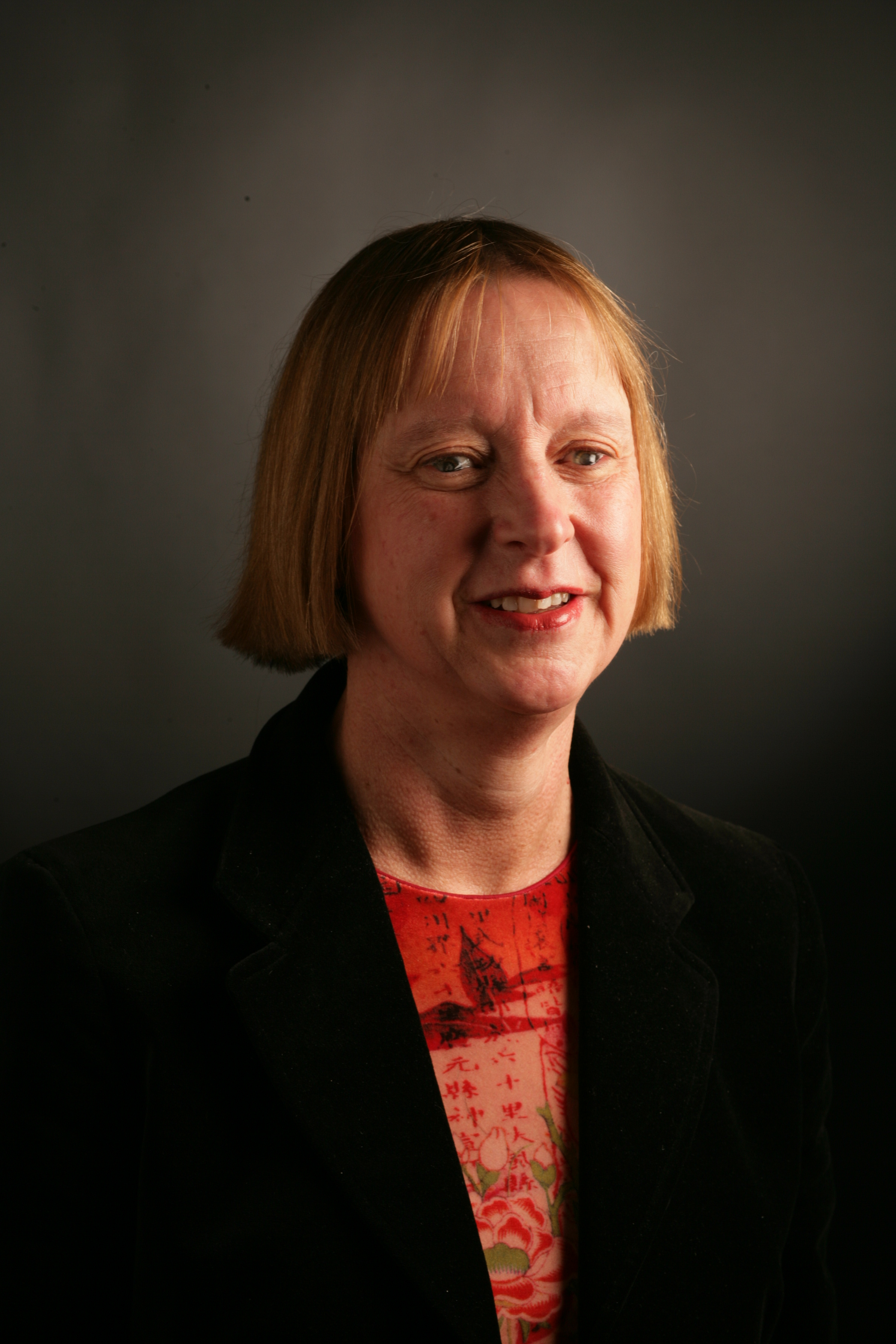 Then, in the 1980s and 1990s, she encountered audio description – initially through videos of films and then through the arrival of digital television and audio description.
And in December 2009, Mary attended the launch of Arts Access Aotearoa’s publication, “Arts For All: Ngā toi mō te katoa” at Te Papa in Wellington where she also delivered a workshop on audio description.
Theatre, opera, dance, art galleries and museums began offering audio description and other accessible activities such as New Zealand Sign Language interpretation, and Mary rediscovered live theatre.
Mary has an MBA degree from Massey University and a BA degree from the University of Auckland. Her understanding of accessible information has been built over a long career. She spent more than 30 years with the Royal New Zealand Foundation of the Blind, including managing its library service, and has held significant roles in the Braille and library sectors. She was made a Companion of the New Zealand Order of Merit in 2007.
In 2008, she and Clive co-founded Accessible Information and Communications Ltd. Clive is a software developer and former chair of Blind Low Vision NZ, and the company provides accessibility solutions, particularly around information and communication. Their work includes producing Braille and audio versions of government documents.
“There’s an audience that values audio description and my big hope is to see audio description reaching more and more audiences around the country – in small communities, towns and city centres. My work’s not over yet.”
Read the latest from the Arts For All network
Discover our latest news and stories from the Arts For All Network, communities, events and advisor.
... loading ...