 Arts Access Aotearoa
Responding to an invitation to attend a forum or hui outside your organisation can trigger one of two very different reactions.
- This sounds relevant and I might get something from it, but I’m too busy.
- This sounds relevant. I’ll learn something, and I’ll have something to contribute too.
With the pressures of work and life, it’s easy to focus on what we need to get done and overlook what we might gain by taking part.
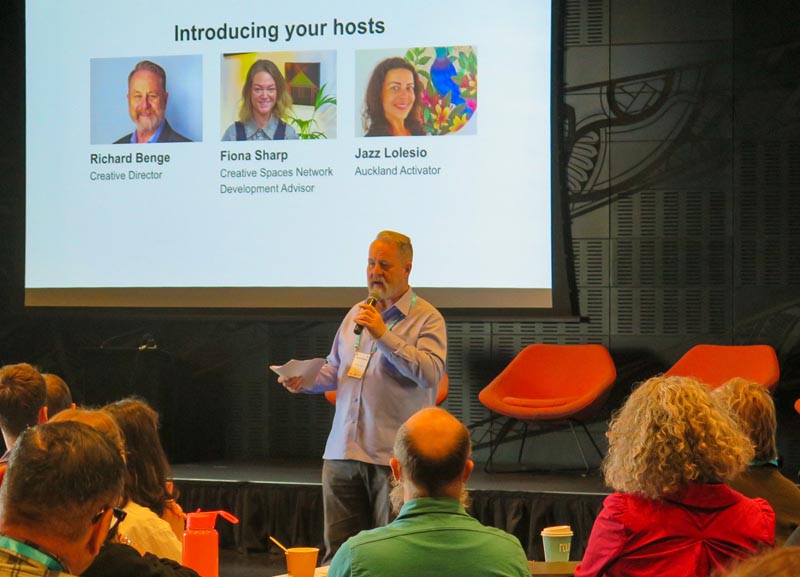 But participation works both ways. We attend events not only to listen but also to share our own experiences and perspectives. Everyone brings something.
It’s a powerful thing to gather freely and share ideas. When we share our knowledge with others socially or in professional settings, our contributions add up. Can you recall when you came away drained from an event? It will most likely have been one where you had to sit for long periods and just listen.
In contrast, you will remember how you felt at the end of a day of participating in group conversations, breakout groups and plenaries. You've been heard, and others get to share their ideas and knowledge with you.
We don’t need to be the keynote speaker to contribute. At forums and conferences, everyone has a role. A question, an observation or a conversation over coffee can lead to a new idea or a solution to a shared challenge.
The value of kanohi ki te kanohi
After the Shifting the Stream forum in Ōtautahi this month, I’m more aware than ever of the value of kanohi ki te kanohi, meeting face-to-face. There is something valuable about being in a room together. We can listen more closely, understand different perspectives and have conversations that might not happen online.
 We’re living through a time of uncertainty, and some of the challenges facing our communities and sector can feel significant. That makes it even more important that we stay connected and continue contributing in whatever ways we can.
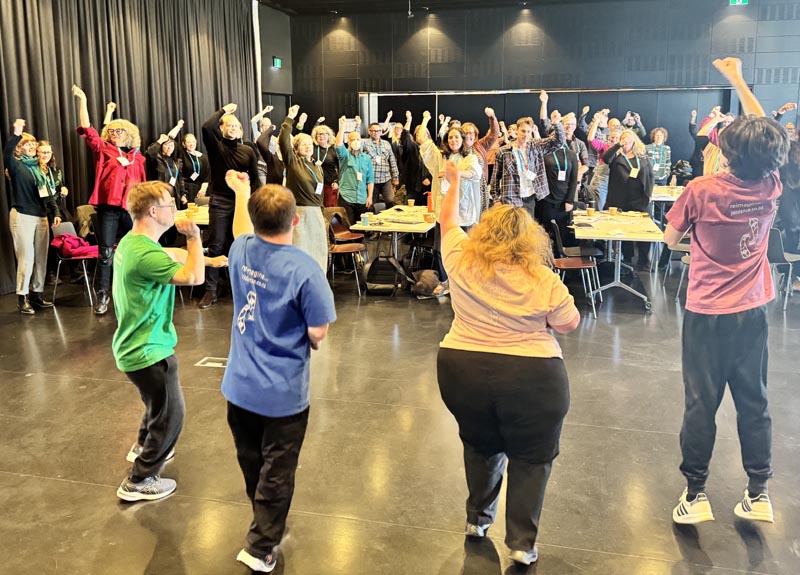
Forum participants had a lot to share, including creative space artists. The day got off to a great start with Jolt dancers getting everyone moving, followed later in the day by The White Room artists sharing examples of their work and talking about their creative processes.
The buzz that only face-to-face gatherings can produce continued throughout the day and concluded with a Table Talk exercise where participants put forward their ideas to identify opportunities and solve challenges.
The best thing about a forum is that the conversations continue afterwards. People leave with new perspectives, questions to consider and ideas to take back into their own work.
I enjoyed reading Emily Preston’s blog, How creative friction shifts the stream. In her blog, Emily, Innovation Lead at Ember Innovations, reflects on the conversations and ideas that came out of the forum, and what can happen when people with different experiences come together.
Her reflections are a great example of how knowledge continues to grow and evolve when participants contribute their reflections and insights after an event. The exchange of knowledge doesn’t stop at our forums.
Local and international conversations
This exchanging of knowledge happens across all of Arts Access Aotearoa’s programmes and partnerships, from local conversations to international ones.
At the moment, our Arts and Justice Advisor Neil Wallace, is in Singapore, where he has just delivered a keynote address at the inaugural International Lecture Series, hosted by the Singapore University of Social Sciences.
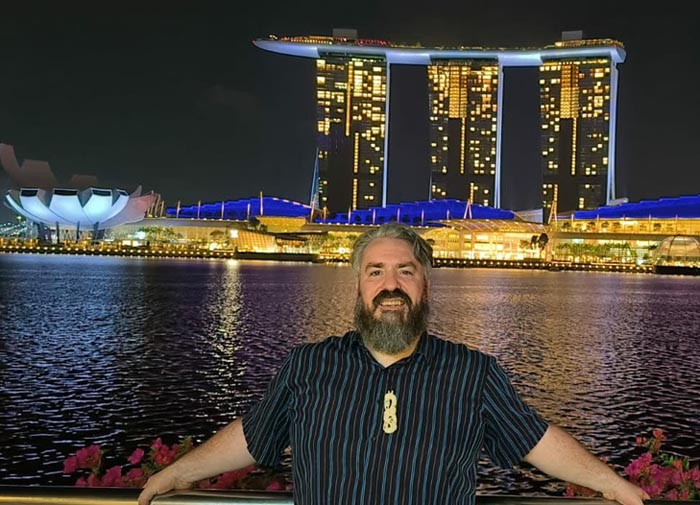 This is a valuable opportunity for Arts Access Aotearoa to contribute to an important international conversation about the role of the arts and creative practice in helping individuals, families and communities make meaning and navigate life's journey.
Read Neil's blog on the experience, Shared journeys in creative practice.
Sharing knowledge is central to how we work across all our programmes. Whether it’s artists sharing their experiences at a creative spaces forum, practitioners reflecting on their learning through blogs and articles, or our team contributing to international discussion, we are all continually building understanding.
This principle sits at the heart of Taha Hotu Deaf and Disabled Artists Initiative, which focuses on sharing knowledge through mentoring, networking, resources and opportunities for Deaf and disabled artists to connect with the wider arts sector.
And the focus of the Arts For All Network programme in 2026 is “Growing knowledge together”. Read more about this in the Arts For All Network mid-year report 2026.
Want to keep reading?
Discover more of our latest news and stories.
... loading ...