 Arts Access Aotearoa
An evaluation of the Department of Corrections’ Creative Arts and Cultural Wellbeing Prison Initiative has found strong evidence that arts programmes delivered in prisons contribute positively to the wellbeing, cultural identity and pro-social behaviour of participants.
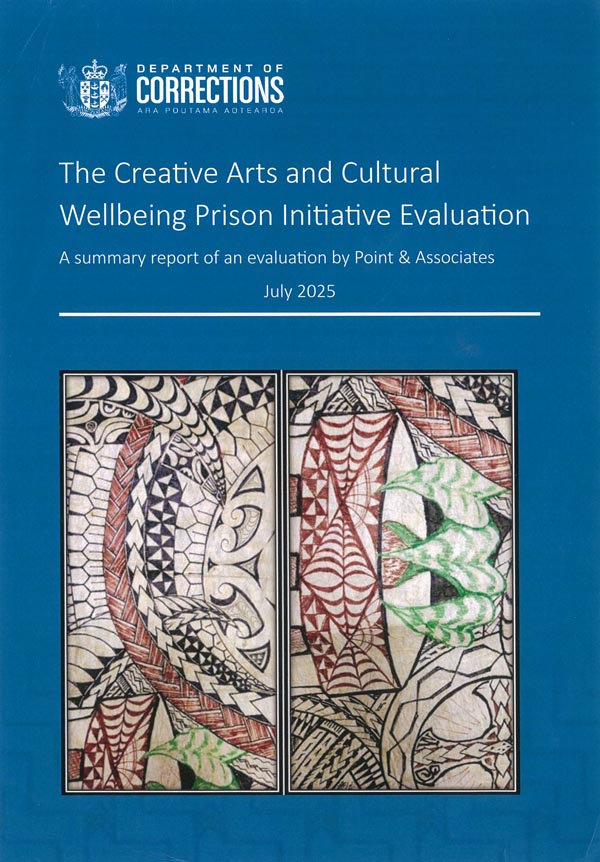 Conducted by Point & Associates, the three-year evaluation examined 14 programmes delivered by 12 arts providers across 17 prison sites and reaching more than 1000 people in prison.
The initiative was funded through Manatū Taonga’s Creative Arts Recovery and Employment Fund (CARE) and led by Ara Poutama Aotearoa Department of Corrections. It aimed to diversify arts and cultural opportunities in prisons; strengthen provider capability; and build New Zealand-specific evidence on the value of arts engagement for people in prison.
Read about the recipients of the Creative Arts and Cultural Wellbeing Initiative.
The findings indicate that the initiative delivered strongly on these goals.
Neil Wallace, Arts in Corrections Advisor at Arts Access Aotearoa, says the evaluation findings align with the six pou (pillars) of Ara Poutama Aotearoa’s Hōkai Rangi Strategy. The findings also highlight the importance of sustained, culturally grounded delivery.
“This is the Aotearoa context, which aligns with the international body of evidence,” he says. “Those of us working in this area have long seen the transformative effect of arts programmes in prisons but research like this provides vital local evidence.
“It shows in concrete terms how creative engagement supports wellbeing, relationships and positive behavioural change.”
Read Refreshed Hōkai Rangi Strategy sets a powerful course, which outlines the six pou.
Positive outcomes for participants
Participant feedback was gathered through surveys, interviews and discussion groups, and shows high levels of satisfaction with the programmes. Ninety-eight percent of surveyed participants agreed or strongly agreed that they were satisfied with the programme they took part in.
 Engagement in the arts also encouraged further participation in rehabilitation opportunities. More than 90% of survey respondents said their arts programme motivated them to consider doing other programmes in prison, a key indicator of readiness for further change.
Staff confirmed this effect, noting that participants who were disengaged from other programmes often became more willing to participate after attending arts sessions.
“This is valuable evidence because it positions Arts in Corrections as the first rung on the education and rehabilitation ladder,” Neil says. “It means our work is often foundational for other programmes and pathways available in prisons.”
A key finding highlighted the social benefit of arts participation. Many people valued the opportunity to work alongside others in a safe, non-judgemental environment. Survey responses showed that 90% felt the programme helped them get on better with others and said the positive atmosphere contributed to better relationships back in their units.
Participants also appreciated the safe and supportive learning spaces created by kaiako/facilitators, enabling them to express themselves, identify their feelings and build confidence. They said the programmes helped them come “out of their shell”, reduce anxiety and experience a sense of achievement.
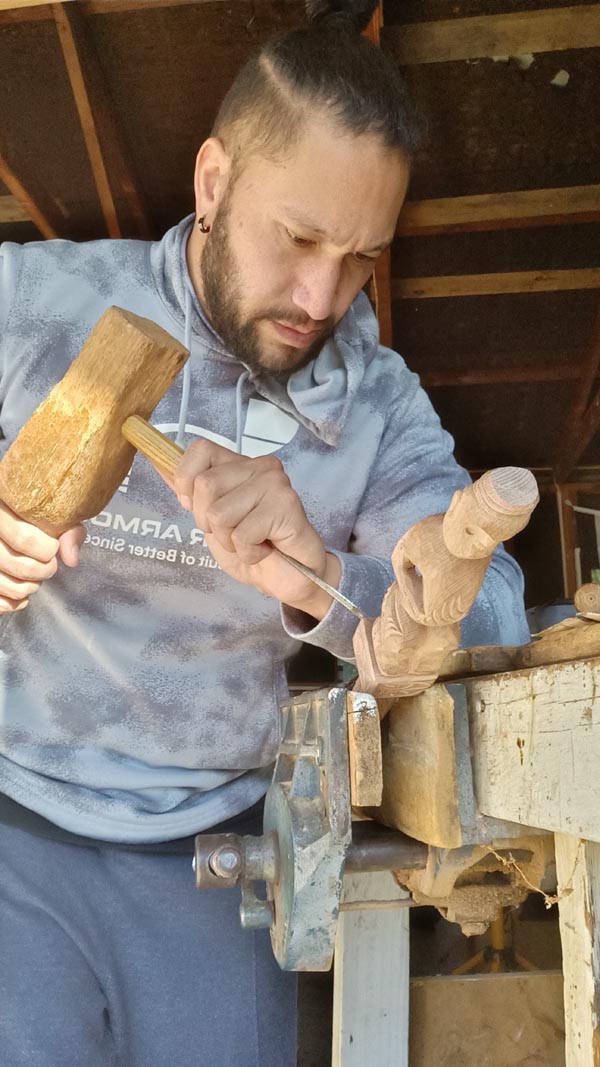
A particularly significant outcome was cultural reconnection. Many programmes were informed by kaupapa Māori and mātauranga Māori, using practices such as karakia, pūrākau, traditional instruments, weaving and whakairo.
Māori and Pacific participants were significantly more likely than others to say the programmes helped them connect with their culture. For some, reconnecting with whakapapa and cultural identity supported a stronger sense of purpose and self-worth.
Benefits for arts providers and Corrections staff
For many of the arts providers, the initiative offered stability, recognition and professional development opportunities. The three-year funding allowed providers to strengthen their practice, purchase better materials, refine their programmes and support emerging facilitators.
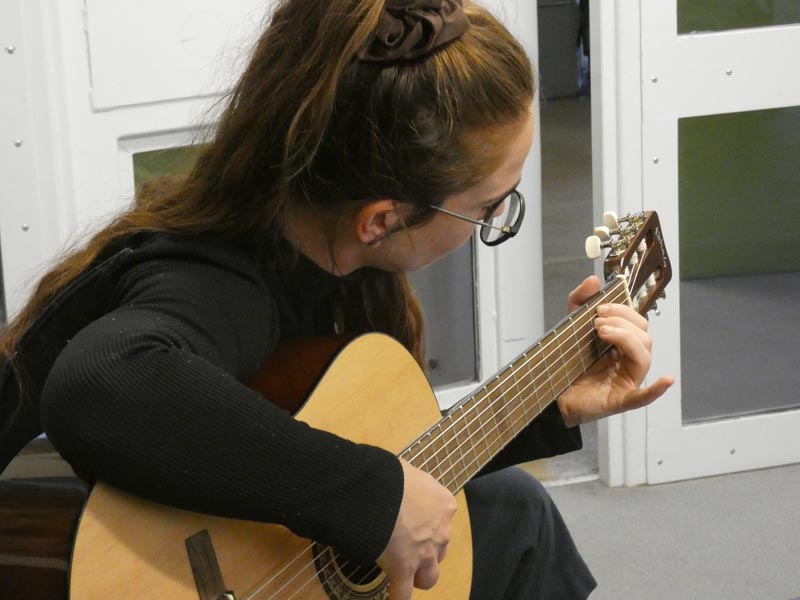 Some providers noted that being paid for work previously done voluntarily affirmed the value of their skills and helped build sustainable pathways into arts-based social practice.
Corrections staff interviewed for the evaluation spoke positively about the impact of arts programmes on prison units. They observed improved behaviour among some participants, reductions in tension, and positive shifts in how people engaged with staff and peers.
Staff also highlighted the value of arts programmes for people experiencing mental health challenges, noting reductions in anxiety and improved emotional regulation.
However, the evaluation also acknowledged operational challenges. Staffing shortages, prisoner movements, lockdowns and limited access to suitable spaces often disrupted programme delivery.
Overall, the evaluation concludes that the Creative Arts and Cultural Wellbeing Prison Initiative delivered substantial benefits for participants, providers and prison environments.