
 Arts Access Aotearoa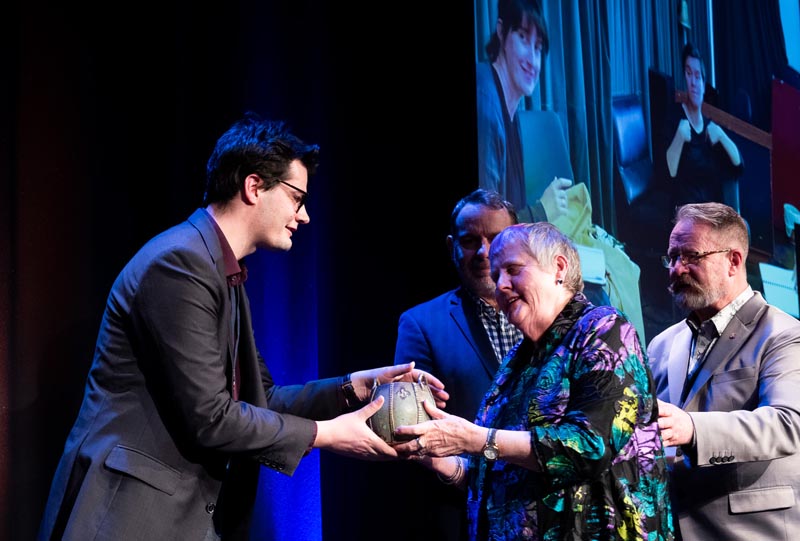
For more than a decade, Circa Theatre has been working to make live theatre more accessible for Deaf and disabled audiences. What began with its first audio-described performance in 2011 has grown into a long-term commitment to accessible programming, staff training and inclusive audience experiences.
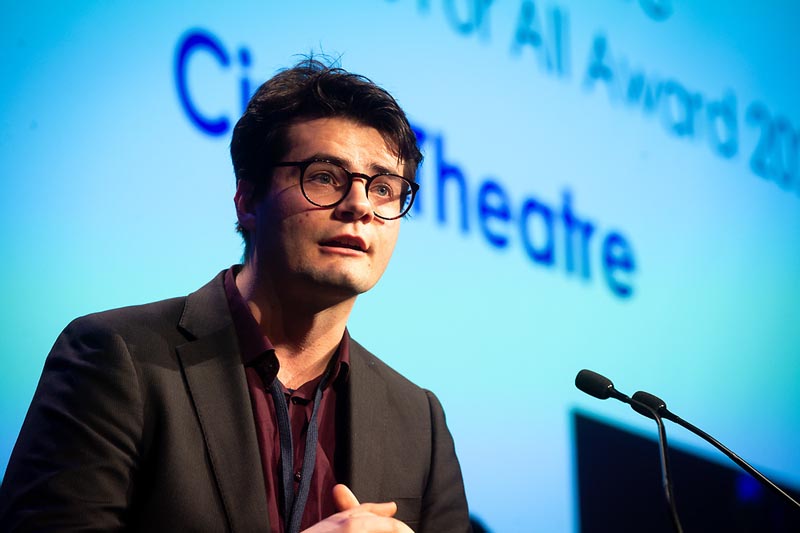
That commitment was recognised at Te Putanga Toi Arts Access Awards 2021, where Circa Theatre received the Creative New Zealand Arts Access Arts For All Award.
Accessibility Manager James Cain says demand for accessible performances has continued to grow as more people discover theatre experiences designed with them in mind.
"There was the largest-ever New Zealand Sign Language audience in New Zealand, according to the Deaf community and our interpreters," he says, reflecting on Circa's NZSL-interpreted performance of Cinderella.
In selecting Circa for the award, the judging panel said:
"A standing ovation to Circa Theatre for its long-term commitment and journey to becoming more accessible and inclusive. Its accessibility policy, dedicated staff and programming of accessible shows are outstanding features. Attracting 110 patrons associated with NZSL to its Cinderella pantomime and the growing numbers of disabled patrons to its accessible shows reflect the strong relationships it's building with these communities. Simply outstanding!"
Building accessibility into every season
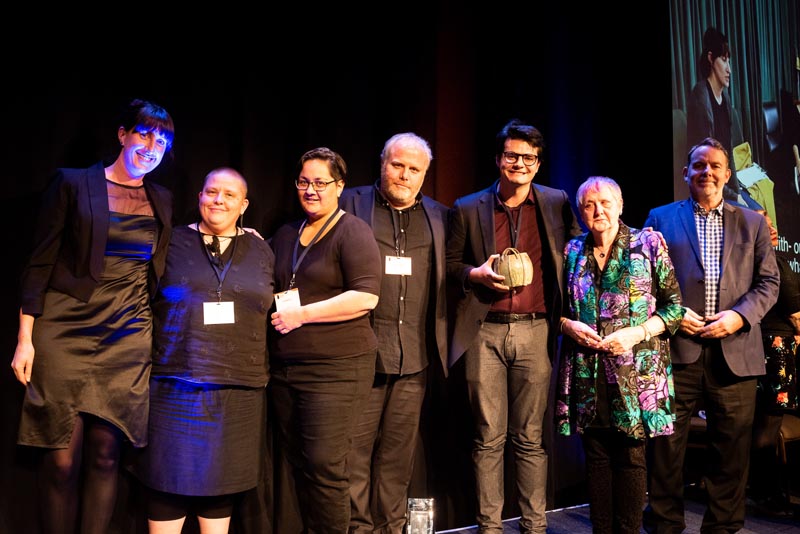
Circa is committed to presenting accessible performances every year, including New Zealand Sign Language interpreted performances, audio-described performances and relaxed performances for people with autism, sensory communication differences and learning disabilities.
The theatre has also worked closely with accessibility specialists, including Be. Lab, to strengthen staff knowledge and continually improve the accessibility of its venue and audience experience.
One milestone was Circa's first sold-out relaxed performance of The Glitter Garden, where lighting and sound levels were adjusted and seating arrangements adapted to better support audience members' sensory needs.
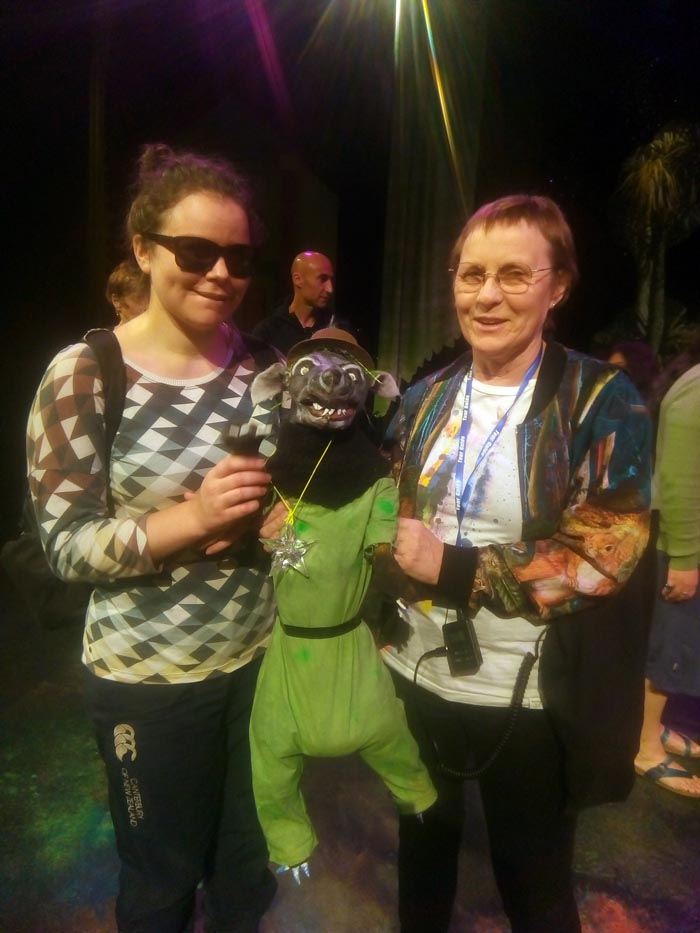
"We got some really glowing comments," James says. "It was a great experience for the actors too. They found it exhilarating to be able to share the show with the audience and see that they felt comfortable in a space many might otherwise find difficult to be in."
Accessibility behind the scenes
Making performances accessible involves careful planning long before audiences arrive.
For NZSL interpreted performances, interpreters spend time studying scripts and rehearsing alongside the cast. For Cinderella, Circa even built a raised platform so interpreters became part of the action rather than standing off to one side.
"It meant the audience didn't have to move their heads as if they were watching a tennis match. We were in the show itself," says interpreter Kellye Bensley.
Circa also offers touch tours before audio-described performances, giving blind and low vision audience members the opportunity to explore the stage, costumes and props before the performance begins.
Beyond its own productions, Circa shares knowledge and resources with other arts organisations through the Arts For All Network, helping strengthen accessible performance practice across Aotearoa.
"We learn from the others and share resources," James says. "Ultimately, it's about everyone being able to come to the theatre and have a wonderful time."
The theatre's efforts have also been recognised by the communities it serves.
After attending an NZSL-interpreted performance, Deaf audience member Joanne Becker wrote:
"From start to end, Circa has made it easy for the Deaf community. From being able to book a ticket to turning up on the night, to having friendly staff that were easy to communicate with, and then to watching the actual show, everything was really well done. It is clear that the interpreters involved in the performance have committed to the performance and interpret to a very high standard."
By embedding accessibility into every stage of theatre-making, Circa Theatre continues to demonstrate how thoughtful design, collaboration and a commitment to inclusion can make live performance welcoming for more people.
Read the latest from the Arts For All network
Discover our latest news and stories from the Arts For All Network, communities, events and advisor.
... loading ...