 Arts Access Aotearoa
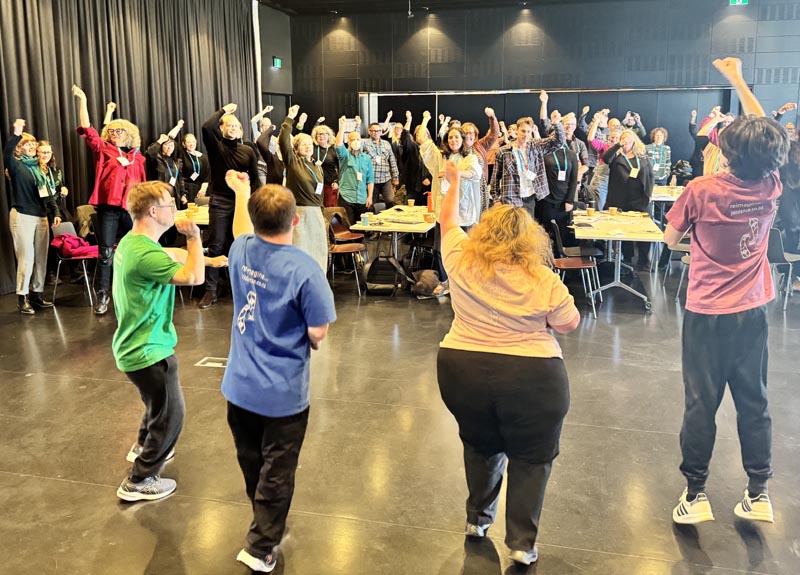 The impact of funding Arts Access Aotearoa reaches far beyond our organisation.
It helps Deaf and disabled artists develop their practice and careers. It strengthens creative spaces supporting people in communities across Aotearoa. It supports artists bringing creativity into prisons and Community Corrections and helps arts organisations remove barriers for Deaf and disabled artists and audiences.
This work takes time. Relationships need to be built, networks strengthened and knowledge shared. Importantly, people and organisations need the confidence and capability to take that work forward themselves.
That's why sustained support matters.
The value of regular giving
Like many charities, Arts Access Aotearoa works with a mix of government, philanthropic and individual support. Each plays an important role in making our work possible.
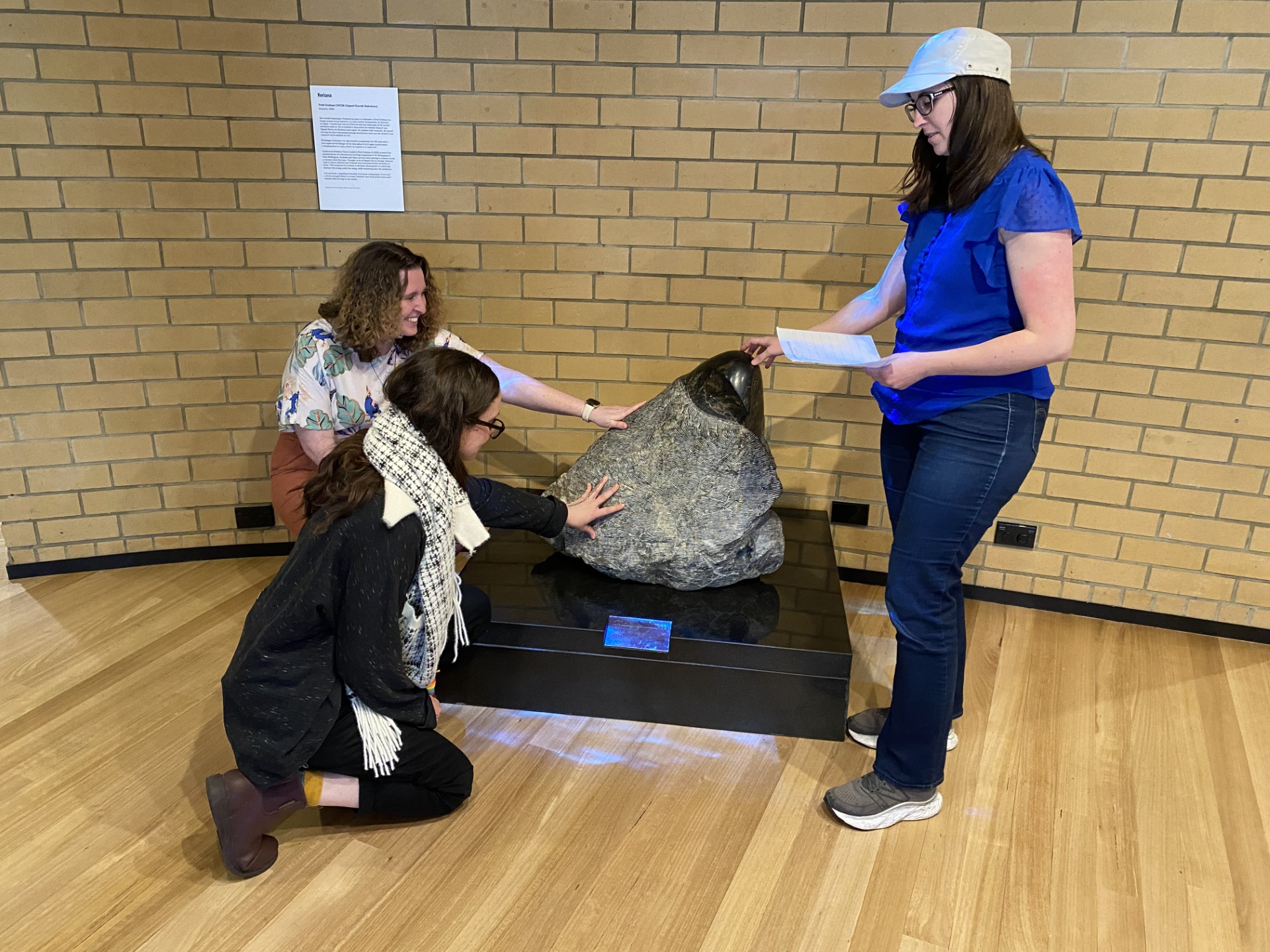
Regular donations offer something particularly valuable: funding we can depend on.
This matters because much of our impact comes from work that happens over time and between individual projects and funding rounds. It's the ongoing advice and advocacy, the development of resources, the strength of our networks and the relationships that allow knowledge and experience to be shared.
Through Arts For All, for example, we're not simply delivering accessibility initiatives and resources. We're helping arts organisations develop the knowledge and confidence to embed accessibility in their own practice. The impact of that work continues as organisations apply what they've learned and make accessibility part of how they plan, programme and engage with artists and audiences.
The same principle runs through all our work: invest in people, knowledge and relationships and the impact can continue well beyond the initial investment.
Learn more about the impact of funding Arts Access Aotearoa.
Thinking beyond today
September is Wills Month, bringing with it a wider conversation about gifts in wills and the long-term sustainability of the causes and organisations people value.
Community Foundations Aotearoa New Zealand estimates that $1.6 trillion in wealth will change hands in New Zealand by 2050. Its latest research into giving in Aotearoa looks at what motivates New Zealanders to include charitable gifts in their wills and the barriers that may prevent them from doing so.
The scale of that intergenerational wealth transfer raises interesting questions for the charitable sector. Not only about how we fund important work today, but how we ensure the knowledge, relationships and infrastructure built over many years aren't lost when funding priorities change.
For those of us working in the arts, there's a related question: what do we value today that we want future generations to benefit from?
For me, the arts are firmly among them.
What kind of arts sector do we want to leave behind?
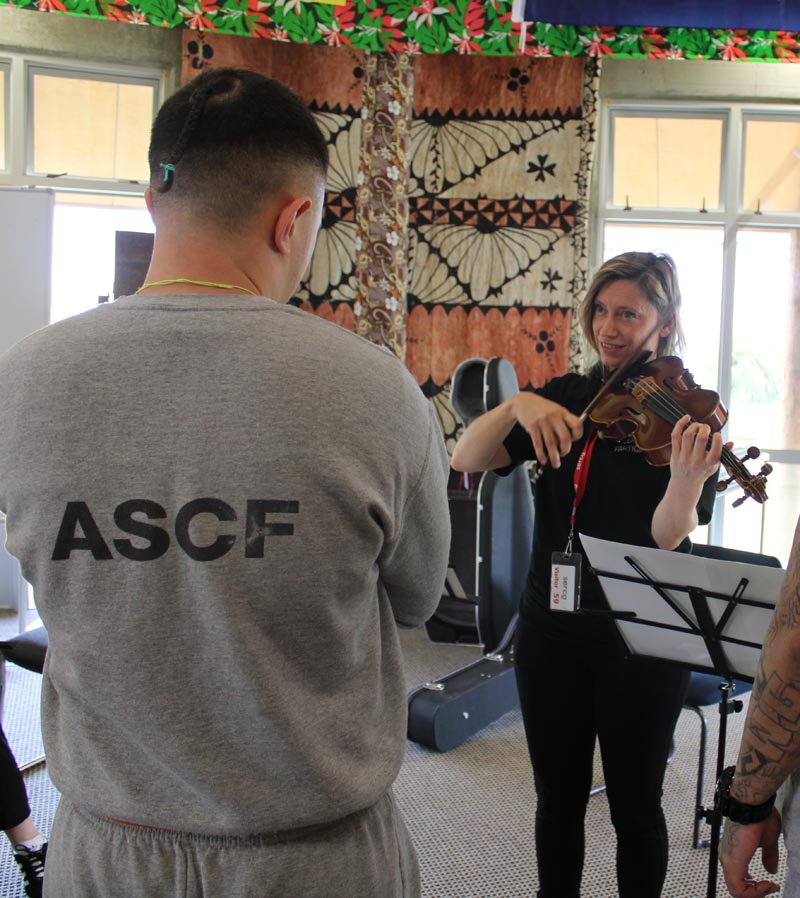 I want future generations to inherit an arts sector where everyone can create and participate.
One where Deaf and disabled artists are recognised as leaders and shapers of our culture. Where accessibility is part of everyday organisational practice. Where creative spaces continue to provide places for people to create, connect and belong. And where people in prisons have opportunities to experience the benefits of creativity.
These are long-term ambitions. They depend not only on individual programmes and projects but on knowledge, relationships and infrastructure that can be built upon rather than continually rebuilt.
That might mean an organisation no longer needs convincing that accessibility matters because it's embedded in its planning from the beginning. It might mean Deaf and disabled artists have stronger pathways to develop their careers and take up leadership roles. Or it might mean the value of arts participation is better understood when decisions are made about our communities and justice system.
This connects with something I've written about before: the arts contribute to our wellbeing, identity and sense of connection.
More recently, I wrote about the importance of telling our stories to the people who are open to hearing them. We need to demonstrate the value of the arts if we want people to invest in them.
But we also need to think about what enables that value to endure.
Investing for the long term
Regular giving and gifts in wills operate on very different timescales, but both encourage us to look beyond the immediate funding cycle.
Regular donations provide greater stability for the work happening now. A gift in your will looks further ahead, offering a way to support arts accessibility for future generations.
For Arts Access Aotearoa, long-term investment means we can keep building on what has already been achieved rather than continually starting again. It means retaining knowledge, strengthening relationships and responding as the needs of artists, organisations and communities change.
Ultimately, it's about helping create an arts sector that becomes more accessible, inclusive and equitable over time.
If that's a future you would like to support, you can explore ways to give to Arts Access Aotearoa, including regular giving and leaving a gift in your will.
Want to keep reading?
Discover more of our latest news and stories.
... loading ...