
 Arts Access Aotearoa
An essay by Neil Wallace, Arts and Justice Advisor at Arts Access Aotearoa, has been published in the inaugural issue of “International Journal for Creativity Inside”.
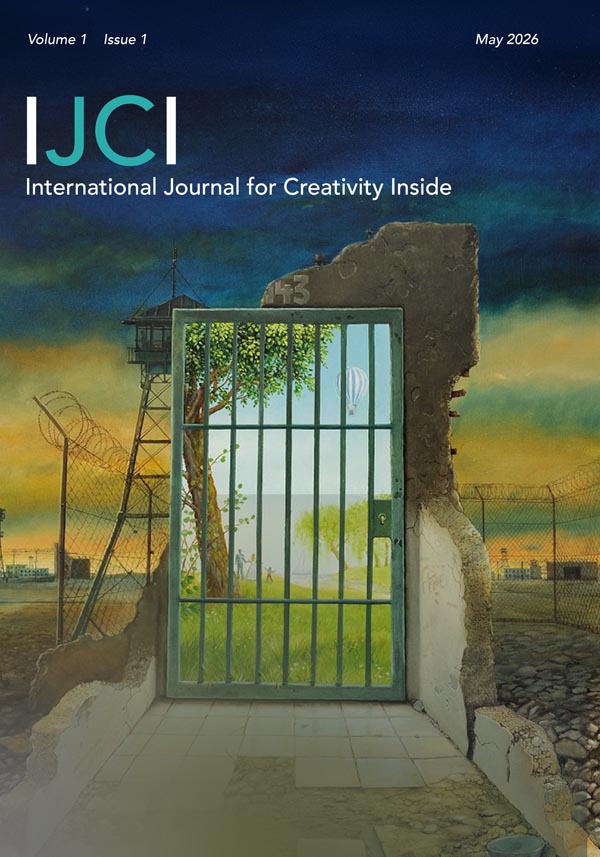 In the essay, Neil discusses the national framework he developed in 2025 to support and strengthen arts educators delivering arts courses in New Zealand prisons.
The “International Journal for Creativity Inside” (The Journal) was established in 2025. It is a not-for-profit, open-access journal dedicated to exploring and promoting the role of creativity in prisons worldwide.
Its mission is to highlight, support and expand the value of creativity to people in prison and to society.
The Journal aims to advance knowledge and public discourse on the role of creativity in prisons by publishing high-quality, peer-reviewed scholarly research and practice-based explorations along with perspectives, creative work and book reviews about creative endeavours in prisons.
It’s freely available online and its operations are sustained through volunteer editors.
Publication a milestone for Arts Access Aotearoa
The publication of Neil’s essay, “Establishing a National Framework for Volunteer Arts Practice in Prisons: Aotearoa New Zealand’s Arts in Corrections Educator Course”, represents a significant milestone for Arts Access Aotearoa and the wider arts and justice sector in New Zealand, Richard Benge, Executive Director, Arts Access Aotearoa says.
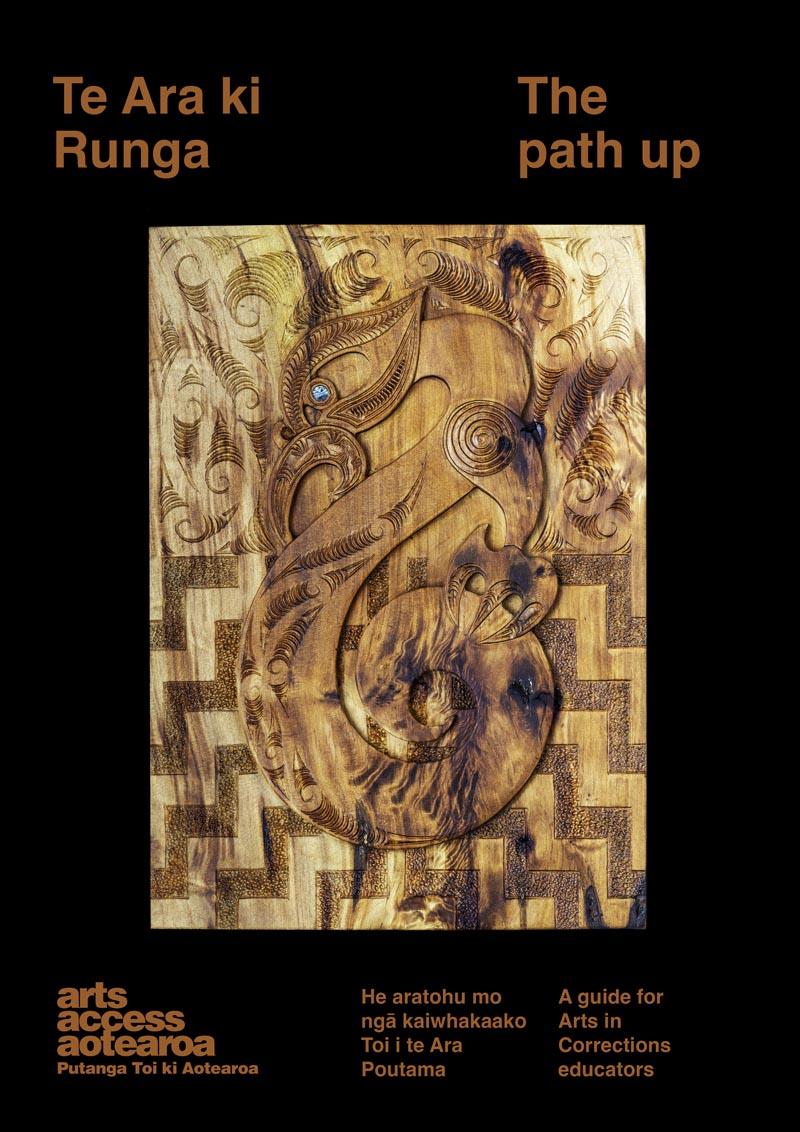 “Our publication ‘Te Ara ki Runga The Path Up’ has driven the training and upskilling of Arts in Corrections educators in prisons across New Zealand,” Richard says.
“’Te Ara ki Runga’ and the subsequent training course is groundbreaking and makes an innovative contribution to the international Arts in Corrections field.”
The Journal brings together leading researchers, practitioners and organisations working across prison arts, rehabilitation and creativity in justice settings globally.
Its editors describe Neil’s course as “an innovative program that establishes a national framework for volunteer arts practitioners working in Aotearoa New Zealand prisons”.
They note the course is already producing practical outcomes, including participants completing the programme, endorsed programme proposals emerging from the course and additional proposals in development.
Course relevance to international correctional jurisdictions
The editors also see the course model as potentially relevant to other correctional jurisdictions internationally.
In his essay, Neil Wallace writes that arts practitioners working in prisons need specialised preparation to work safely, effectively and ethically. He outlines the principles underpinning the Arts in Corrections Educator course, including trauma-informed practice, cultural responsiveness, reflective learning and professional boundaries.
He emphasises that arts programmes in prisons are most effective when practitioners understand the realities of working in a prison environment, the value in working collaboratively with prison staff, and the importance of supporting the dignity and aspirations of participants.
He also highlights the importance of Te Tiriti o Waitangi and tikanga Māori in shaping arts practice in New Zealand prisons.
Training and professional development essential
The essay positions training and professional development as essential to strengthening the quality, consistency and long-term sustainability of arts programmes in prisons.
 sm.jpg "Neil Wallace and Amanda Gardner when she visited Wellington in 2025") The wider journal repeatedly identifies that the international Arts in Corrections field is still developing and requires stronger practitioner training, research and professional development pathways.
The wider journal repeatedly identifies that the international Arts in Corrections field is still developing and requires stronger practitioner training, research and professional development pathways.
“The inclusion of Arts Access Aotearoa’s course in the inaugural issue positions us as a key contributor to international conversations around safe, effective and culturally responsive arts practice in correctional settings,” Richard says.
The issue also contains an article by Amanda J. Gardner examining the international Arts in Corrections research landscape.
Within the article, Gardner references Neil Wallace and Arts Access Aotearoa’s literature review, “Arts, Identity and Rehabilitation: How Quantitative and Qualitative Studies Illuminate Prison Arts Programmes”.
The “International Journal for Creativity Inside”, Volume 1, Issue 1 (2026) is available free online.