 Arts Access Aotearoa
Over the past 15 years, Aotearoa New Zealand has seen a steady growth in accessible arts and cultural events – from a handful every year to hundreds every year. What was once occasional is now becoming embedded practice across a number of arts festivals, venues, performing arts companies, museums and galleries.
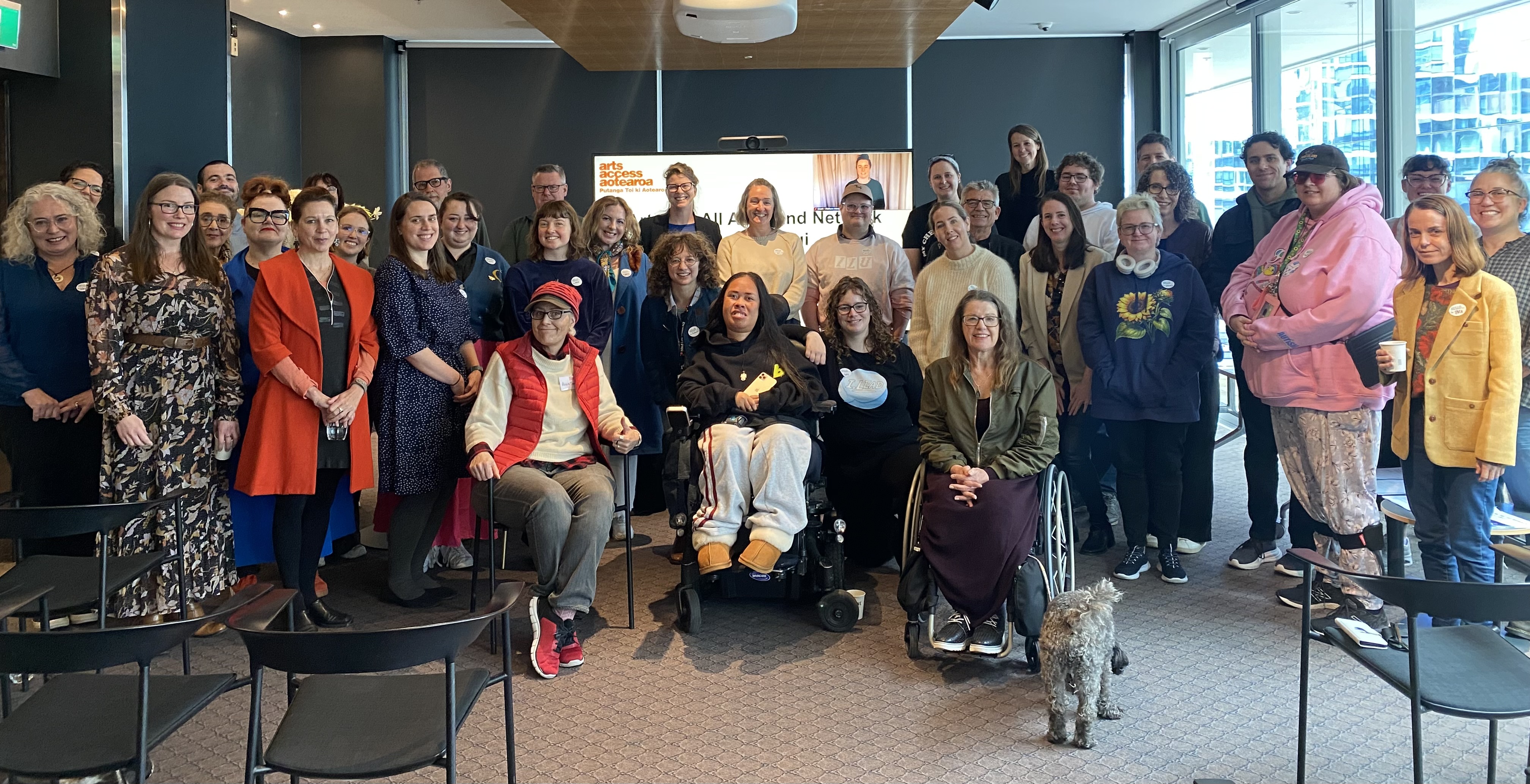 In 2011, Arts Access Aotearoa set up the national Arts For All Network. From small beginnings, the Network has flourished and now has more than 1000 Deaf, disabled and non-disabled members across the country. These members are driving accessibility initiatives and I’m in awe of their achievements and efforts.
This shift towards a more inclusive, accessible landscape is encapsulated in the accessibility programmes of our two largest arts festivals: the Aotearoa New Zealand Festival of the Arts in Wellington (24 February to 15 March) and Te Ahurei Toi o Tāmaki Auckland Arts Festival (5 to 22 March).
Both festivals employ dedicated accessibility consultants to engage with Deaf and disabled audiences, plan and promote. They have built accessibility across their programmes with NZSL interpreted performances, audio described shows and relaxed performances scheduled across a range of genres.
Featuring Deaf and disabled artists and disability artistry
As well as these accessibility initiatives, festivals are increasingly featuring Deaf and disabled artists and disability artistry. I’m excited about Fonitī Pati Umaga’s new show, “Music Portrait of a Humble Disabled Samoan”, featuring in both festivals and including NZSL interpreted, audio described and relaxed performances.
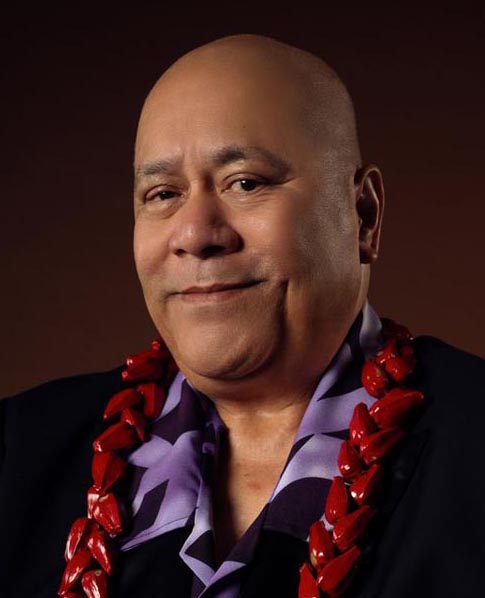 There’s a powerhouse Pacific creative team bringing his show to the stage, including Maiava Nathaniel Lees (director), Oscar Kightley (writer), Pos Mavaega (composer and music director), Neil Ieremia (choreographer) and Sasha Gibb (creative producer).
Arts Access Aotearoa recently caught up with this “humble disabled Samoan”, who says about his forthcoming performances: “It’s daunting and exciting at the same time. I’m a little bit apprehensive because of the focus on me. I’m not used to it.”
Pati is very aware of the show’s potential to break down stereotypes. Performing in two major arts festivals will provide a powerful platform to share disability narratives, he says.
Pati’s comment goes to the heart of why accessibility matters. It’s not just about compliance and audience numbers. It’s about human rights – the right of everyone to tell their stories, and engage in our cultural life as artists, writers and audience members.
Wairarapa festival on the accessibility journey
Accessibility is a journey. Some festivals are refining well-established access programmes; others are laying foundations.
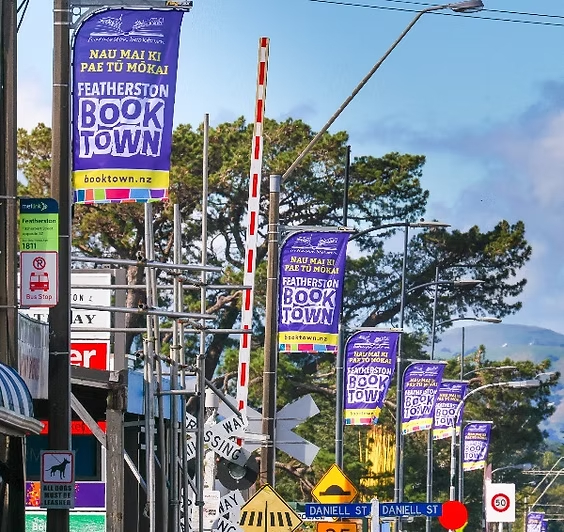 Featherston Booktown!, for example, was established in 2015 to celebrate books, storytelling and ideas. Every May, it holds a stimulating Karukatea Festival in this small Wairarapa community.
It was encouraging to read in Booktown!’s latest newsletter that “Accessibility and inclusiveness are key focuses in our festival planning, and we are pleased to see there is a new ramp being constructed at the ANZAC Hall. We also reserve the front row at our festival events for those who are Deaf/hard of hearing or blind/low vision.”
These steps are small ones along the road to accessibility – steps the organisation will hopefully continue to take. A new ramp addresses physical access to the hall while reserved front-row seating shows it values Deaf and disabled audiences.
Funding support of local councils is crucial
Featherstown Booktown! is a good example of how the arts bring people together, build community cohesion and inspire pride. Visitors flock to the town, spend money and boost the local economy.
However, it’s also crucial these events and organisations are supported by their local councils – and it’s great to see the South Wairarapa District Council backing this organisation.
This week, The Post published my opinion piece about the importance of local council investment in arts and culture. In it, I outline the strong evidence linking arts engagement to improved health and wellbeing, social cohesion and economic benefit.
As conversations continue about rates caps and local government budgets, we must value and protect what arts and culture bring to our communities.
LATEST POSTS
- Honouring Robyn Hunt KSO, ONZM
- The value of long-term support for the arts
- How far have we come in 20 years?
- Arts as a foundation for human rights
- Sharing knowledge is how we work
- Unexpected beauty of poster poems
- Waenga, a play that welcomes and listens
- A fair go for the arts in Wellington
- The transformative power of music
- Art, the fifth pillar of health