 Arts Access Aotearoa
New research from the University of London College strengthens the case for ensuring arts and cultural opportunities in Aotearoa New Zealand are accessible to everyone as they age, says Richard Benge, Executive Director, Arts Access Aotearoa.
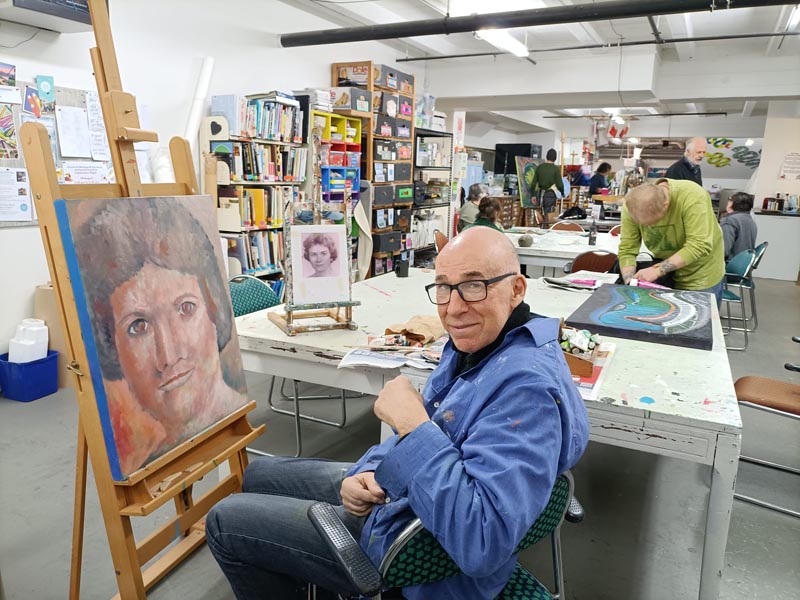 The University College London research supports growing international evidence that arts and cultural engagement can play an important role in slowing the biological ageing process and contributing to healthy ageing.
“New Zealand’s ageing population is expected to place growing pressure on health and social services in coming decades,” Richard says.
“Here in Aotearoa, we know that accessible, inclusive arts experiences help reduce isolation, strengthen community cohesion and healthy ageing, and support mental wellbeing. These findings simply reinforce what many arts practitioners and arts organisations in New Zealand already observe in their work.”
The findings were highlighted in recent newspaper reports, published by The Independent and The Guardian.
Arts and cultural participation slows ageing process
According to the research, published in the journal "Innovation in Aging", people who regularly engage in arts activities such as singing, painting, reading, listening to music, visiting museums and galleries, or attending cultural events appear to age more slowly than those who seldom participate.
Weekly engagement in arts and cultural activities was associated with ageing up to four percent more slowly. Researchers said this level of benefit was comparable with the effects linked to regular physical exercise.
The study also found that people who took part in weekly arts activities were biologically younger on average than those who engaged infrequently. Researchers believe this may be because arts and cultural activities provide a combination of physical, emotional, cognitive and social stimulation.
Arts and cultural participation a health-promoting behaviour
Lead UCL researcher Professor Daisy Fancourt (author of “Art Cure: the Science of How the Arts Transform our Health”) says the findings demonstrate the health impact of the arts “at a biological level”, and support recognising arts and cultural participation as a health-promoting behaviour alongside exercise.
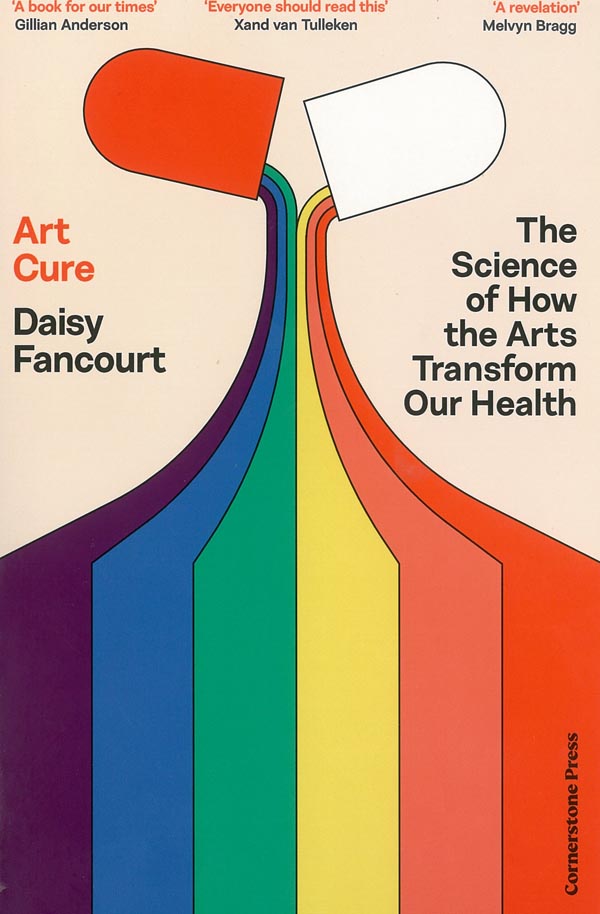 Senior researcher Dr Feifei Bu says the study builds on existing evidence showing that arts engagement can reduce stress, lower inflammation and improve cardiovascular health.
Across Aotearoa, creative spaces and other community arts programmes, choirs and music groups, dance and theatre spaces, and museums, libraries and art galleries provide opportunities for older people to stay active and connected.
“We have a network of creative spaces across the country providing access to the arts but they need sustainable funding to meet the demand for their services," Richard says.
“At a time when local councils are tightening their belts, it’s vital their funding of arts and culture remains stable to help meet the needs of their citizens.”
Auckland creative spaces cater for older people
In Auckland, for example, there are a number of creative spaces that cater for older people, including Māpura Studios, Toi Ora, Estuary Arts and Ōwairaka Community Club. Connect the Dots, founded in 2014, caters specifically for older people and people living with dementia through its visual arts programme called Make Moments.
And in Wellington, Vincents Art Workshop artist Peter Zlatkoff says:
“My passion is painting. I had a brain hemorrhage when I was 16 and had to learn to walk and talk again. I started at Vincents in 1993 when I was 31 and I’m still here, three days a week. I like the people and the atmosphere. I’m a smiley person. I had a second life and I say, ‘Be happy. That’s the key’.”
New Zealand has many community choirs that offer enjoyable experiences and social connection. University of Auckland researcher Dr Patrick Savage says that music evolved to support social bonding. Singing – particularly singing together – also supports people with identified health challenges, often related to age.
Singing in a choir adds a spark to people’s lives
For example, the CeleBRation Choir and Sing Up Rodney in Auckland, the Cantabrainers Choir in Christchurch, SoundsWell Singers in Wellington and NelSONG Wellness Singers in Nelson support mainly older people living with post-stroke aphasia, Parkinson’s, dementia, traumatic brain injury and other conditions that impact communication and limit social participation.
Music therapist Dr Alison Talmage says that choir participation improves wellbeing and adds a spark to people’s lives as they age and live with age-related conditions. “I have been involved in therapeutic and community choirs for many years, and I witness the positive changes in people every week.”