 Arts Access Aotearoa
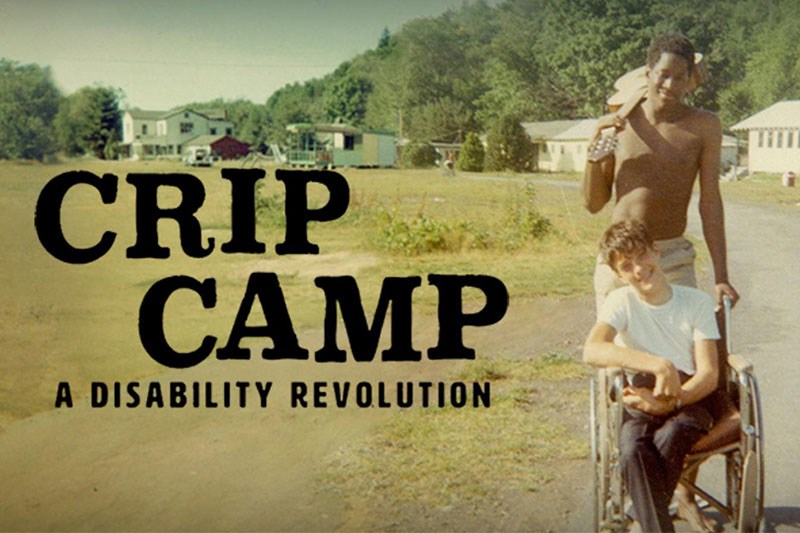 For July’s Arts For All monthly meetup, we discussed the American documentary film Crip Camp: A Disability Revolution. The film follows young Deaf and disabled activists, building from their experiences at an accessible youth summer camp all the way to national advocacy for the landmark Americans with Disabilities Act legislation.
Our meetup focused on how film, storytelling and music captured accessibility learnings we can all apply in our arts mahi. Here are some of our thoughts.
Everybody counts
It’s vital to make space at the table for many different voices and experiences. In the hectic arts world, we should examine structures that privilege loud voices, long hours, fast pace and mainstream practices. If the way we’re working means only some people count, we need to change so we aren’t missing vital voices around the table.
Accessibility isn’t a privilege
Arts Access Aotearoa sees access to the arts as a human right, not a privilege or a favour. We need to move on from gratitude for basic accessibility. Gratitude for the bare minimum holds us back from fighting for true equity, high accessibility standards, Deaf and disabled leadership, and genuine partnership.
“The problem isn’t with disabled people”, as the film says.
Deaf and disabled people are adaptable, resilient, clever and creative, with many ways to navigate the world and create better access. Many barriers we create or maintain are born from ableism, the thinking that non-disabled people are more valuable that disabled people. As Network members know, planning for accessibility benefits all of us in many ways. Shifting our attitudes toward access and disability is crucial.
Physical barriers exist and are a huge problem. But as we saw in the film, imperfect environments paled in comparison to barriers imposed by systems, attitudes and assumptions.
It doesn’t have to be perfect
Accessibility in the film is sometimes messy and rough. It’s also fierce and determined, and full of autonomy and self-advocacy. The solutions that the Deaf and disabled people come up with themselves may be wildly different from the polished, pretty and less effective access offered by well-meaning allies.
When given the chance, Deaf and disabled people can guide the process toward increasing accessibility and drill down past the veneer to what works. We can start making real progress by listening to those with the knowledge.
Stop making new barriers
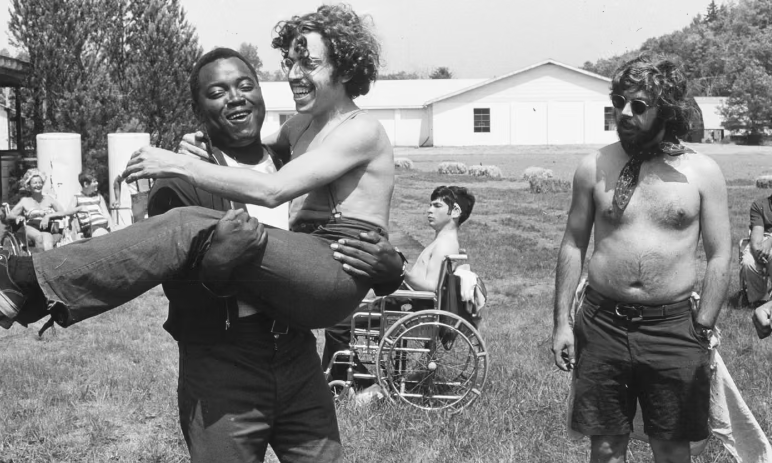
We had familiar discussions of inaccessible heritage buildings, lax accessibility legislation, and outdated building code. Just as the young activists realised that their world could be better, that their voices could matter and that independence is possible, we know that our arts world can be more accessible.
We can’t magically change our buildings overnight. We can work to stop creating more inaccessible spaces, exhibitions, performances and other arts environments.
Imagine if we stopped building more barriers. Then we tackle the ones we’ve still got, knowing this is a fight we can win.
Before we create, let’s talk. If we don’t know, let’s find out. Before we assume, let’s ask. And the Arts For All Network is here to help.
If you didn’t have the chance to check out the film, you can find an audio described version and a version with captions available for free on YouTube.
Want to keep reading?
Discover more of our latest news and stories.
... loading ...