 Arts Access Aotearoa
What makes life, particularly a creative one, easier and more enjoyable for disabled people? Access. And that’s what the Whakahoa Kaitoi Whanaketanga Creative New Zealand Deaf and Disabled Artists Fellowship, presented by Arts Access Aotearoa, provides.
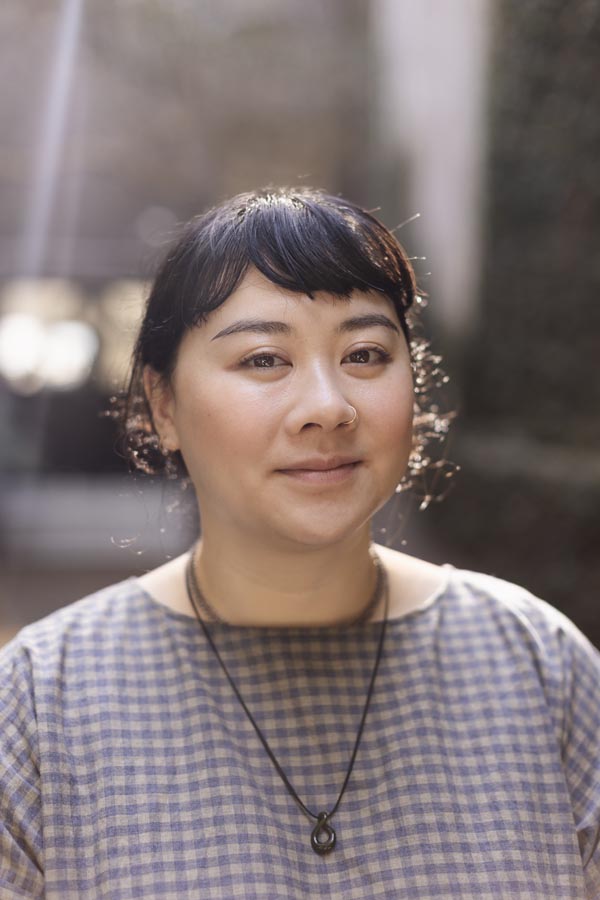 As disabled creatives, we often have the challenging double whammy of trying to pursue and sustain a creative practice alongside managing a disability that affects us physically or mentally (usually both).
Sometimes juggling it all can feel like we’re on a rollercoaster ride, built on a track we didn’t design and haven’t been told about, seeing ourselves through it all with only the help of our wit, dark humour and whatever tools we’ve managed to cobble together.
Meaningful support can feel scant and our creative work often suffers for it as we try to survive.
That’s why it was so exciting to read about the Creative New Zealand Deaf and Disabled Artists Fellowship last year. $10,000 generously provided to support an artist so they can work on a project of their choice? It felt almost too good to be true.
Although other artist fellowships exist, I wasn’t aware of any others that were specifically for Deaf and disabled communities. Acknowledging that audience, I was thrilled (but more like relieved) to discover that the fellowship was open-ended and flexible, not tied to a particular medium or even the expectation that you’d have something fancy to show for yourself by the end.
 The support was there to enable a Deaf or disabled practitioner to do just that: practise their craft, develop ideas and put more art from the Deaf and disabled communities out into the world. When you have a disability, the future – your needs, energy and pain levels – are so variable that to have this type of flexibility isn’t just appreciated. It’s vital.
In April of last year I was informed that I was the 2025 recipient of the Fellowship, with the money going towards work on a memoir graphic novel. With the awarding of the fellowship, I not only received financial support but also a few key motivators and parameters. I now had a deadline, a project outline (part of my initial application), and people from Arts Access Aotearoa and the wider community who were excited to see what I would come up with.
I was no longer creating in a vacuum and that can make a world of difference.
Additional accessibility fund, alongside the fellowship
Another thing I appreciated was the opportunity to access an additional accessibility fund alongside the fellowship. This enabled me to earmark pieces of equipment or resources that would have a meaningful impact on my ability to create the graphic novel. The fellowship money could then be spent on the project itself, like materials and paying myself so I could take a break from work to reflect, draw and write.
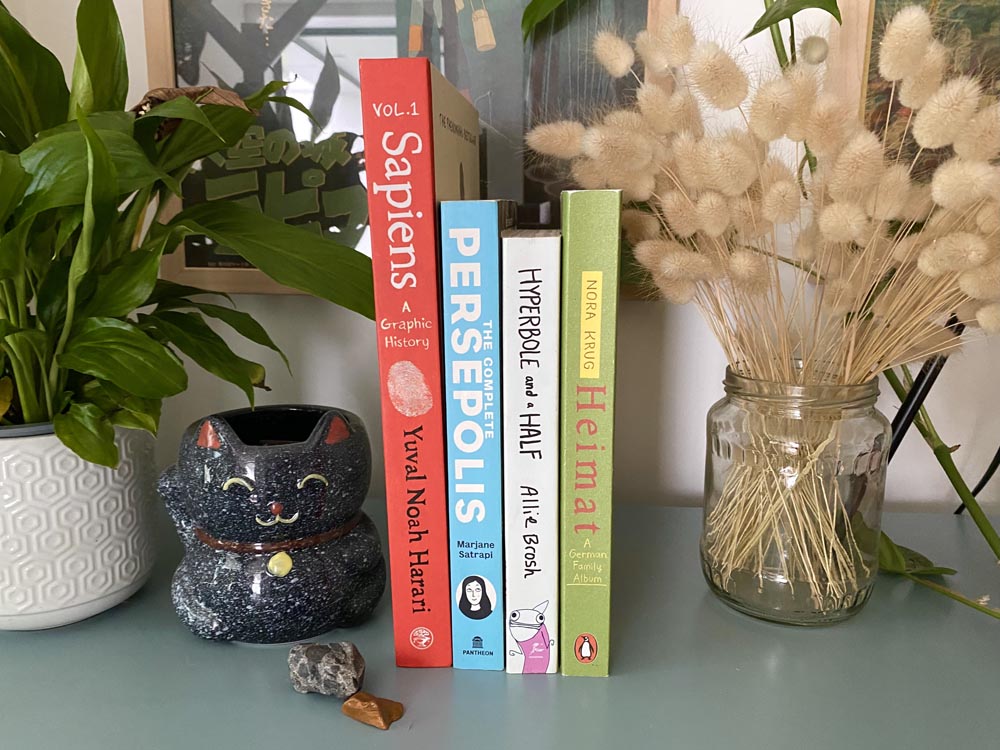 You might ask how you start creating a graphic novel. I certainly did. One memoir graphic novel that I love and have been particularly inspired by is “Heimat” by Nora Krug. It is dense and beautiful and incredibly well-researched. It also took her six years to make: two years for each stage of researching, writing and drawing. I technically had six to nine months for my fellowship.
After hearing about Krug’s process, I immediately let go of any expectations that my graphic novel would be anything more than my attempt at recording the stories and thoughts I’d been noting down for years.
These stories and thoughts were around hard topics, like mental illness, feeling out of place as a bicultural kid, miscarriage and more. They can be amorphous topics, so I’ll always be grateful to receive the Fellowship as it has provided me with a concrete reason to develop these ideas into something others can also connect with.
Project-wise, there have been challenges: the usual (a lack of time) and the less usual (I got pregnant). But having the space and time afforded by the fellowship to work on something important to me has been amazing and I would love more Kiwis to know about this fantastic opportunity.
Please apply, even if you think you don’t have enough experience or that you don’t know what you’re doing. It’s worth it even just as practice for applying for other things, and you never know. You might be the 2026 recipient of Arts Access Aotearoa’s Whakahoa Kaitoi Whanaketanga Creative New Zealand Deaf and Disabled Artists Fellowship.
Fellowship applications close at 5pm Tuesday 3 February 2026. Applicants will be notified of outcomes by early March 2026. For more info and to apply
LATEST POSTS
- How far have we come in 20 years?
- Arts as a foundation for human rights
- Sharing knowledge is how we work
- Unexpected beauty of poster poems
- Waenga, a play that welcomes and listens
- A fair go for the arts in Wellington
- The transformative power of music
- Art, the fifth pillar of health
- Festival season shows why arts funding matters
- All roads lead to arts accessibility