 Arts Access Aotearoa
As Arts Access Aotearoa implements its fundraising strategy, we thought it was a good time to introduce the person leading this mahi. Caleb Gordon, our Fundraising and Projects Coordinator, is focused on building relationships, partnerships and support that help sustain and grow our work.
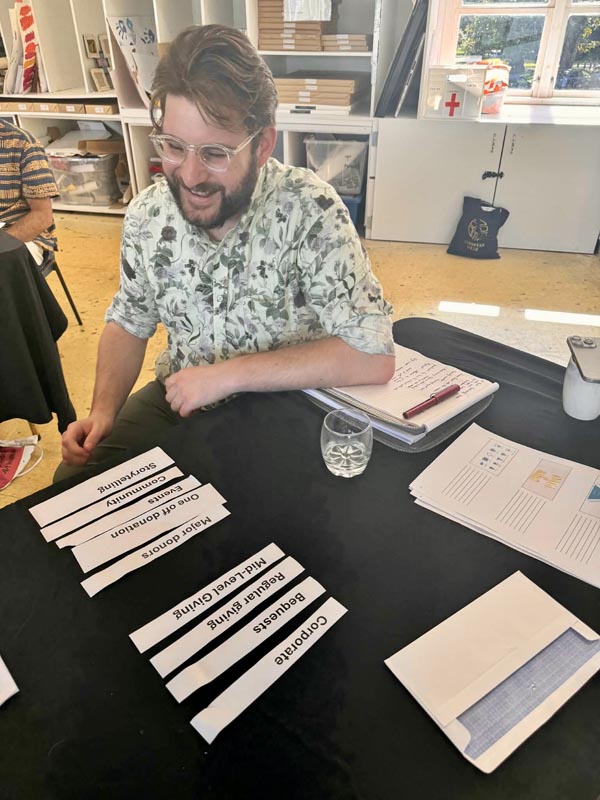 In practice, that means seeking out funding opportunities, building partnerships, and helping create the resources needed to sustain and grow our work. He connects people with Arts Access Aotearoa’s vision, whether that’s funders, supporters or partners – and anyone who wants to help shape a more accessible arts sector and inclusive society.
Caleb first joined Arts Access Aotearoa in 2023 as a project manager of the Manatū Taonga-supported Regeneration Fund. His role evolved from delivering specific projects to helping resource the wider vision of the organisation.
We asked Caleb four questions about why fundraising matters, what’s keeping him busy, and the future he sees for Arts Access Aotearoa.
1. Tell us a little about yourself and your role.
My role is about building the relationships and resources that support our work. At its heart, fundraising is about connection. It’s about finding people, organisations and communities who share our belief that arts and culture should be accessible to everyone in Aotearoa.
What drew me to this role is Arts Access Aotearoa’s approach. We don’t simply deliver services to communities: we work alongside artists, arts organisations, community spaces and partners to remove barriers and create change together. That collaborative approach really matters to me.
It’s exciting to spend time connecting with people who already know and care about this work, and introduce others to the impact we can create together.
2. Why is fundraising important to Arts Access Aotearoa?
Like many not-for-profits, Arts Access Aotearoa relies on a mix of funding sources to do its work. Grants, contracts and partnerships are vital but they don’t always create the flexibility needed to respond to emerging opportunities, invest in innovation or grow in ways communities are asking us to.
The demand is there. More Deaf and disabled artists are seeking opportunities, visibility and connection. More arts organisations want support to improve accessibility. More communities value the role creativity plays in wellbeing, identity and belonging, and want support for their arts projects.
Fundraising helps us respond to that momentum.
For me, investing in Arts Access Aotearoa is about backing work that is shaped alongside communities to create lasting change in the arts sector. it’s about investing in a more inclusive, connected and creative Aotearoa. If you believe arts and culture should reflect all of us, and be accessible to all of us, then you’re already part of the conversation.
3. What’s keeping you busy right now?
A lot of my time is spent researching funding opportunities, writing grant applications and having conversations with people who might want to back this work.
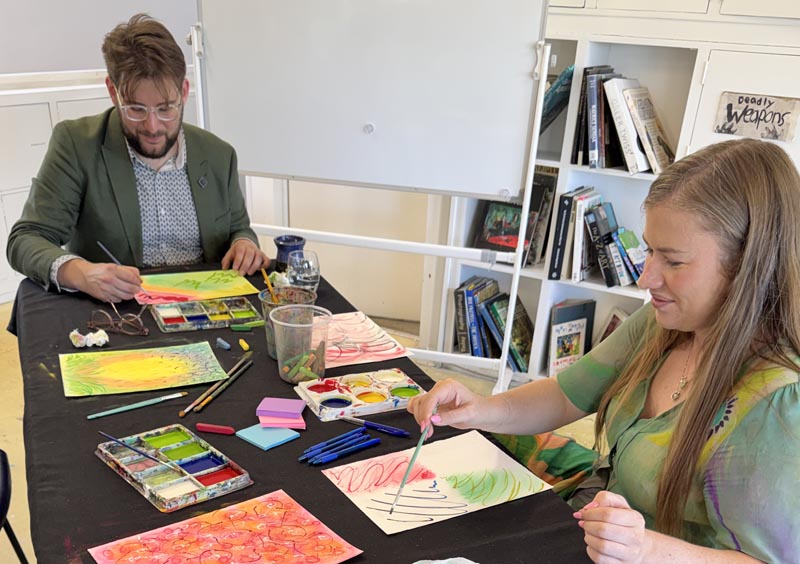 It includes everything from engaging with philanthropic trusts and strategic funders, through to meeting potential supporters, reporting back to funders, and helping steward the relationships that sustain our work.
A big part of my role is building on the strong foundations Arts Access Aotearoa has already created over the past 30 years. We’re ambitious but the reality is that important work often outpaces available funding.
Part of my role is to close that gap, not just by securing grants but by helping build stronger systems, relationships and more diverse income streams for long-term sustainability.
Right now, that includes developing our first annual appeal, shaping a supporters’ programme for people who want to stand alongside our work, and exploring longer-term strategic philanthropy.
We’re also thinking about how Arts Access Aotearoa can diversify income in ways that align with our mission; whether that’s via partnerships, fundraising or new earned-income opportunities.
For me, fundraising isn’t just about asking for money. It’s about building relationships with people who believe in the same future we do and creating the conditions for this work to thrive.
4. Where do you hope Arts Access Aotearoa will be by 2030?
I’d love to see Arts Access Aotearoa even more deeply embedded in the cultural life of Aotearoa. That means an arts sector where accessibility is expected and planned for, not something people have to advocate for repeatedly.
It means Deaf and disabled artists thriving as leaders, makers and decision-makers.
It means community creativity being recognised as essential social and cultural infrastructure.
And it means Arts Access Aotearoa continuing to be a trusted national voice, bringing people together, advocating for change, sharing knowledge and helping shift systems.
I also hope we’ve built a stronger community of supporters around this work. Because lasting change takes partnership.
If this vision resonates with you, I’d love for you to stay connected as we build what comes next, whether that’s through advocacy, conversation, partnership or becoming a supporter.